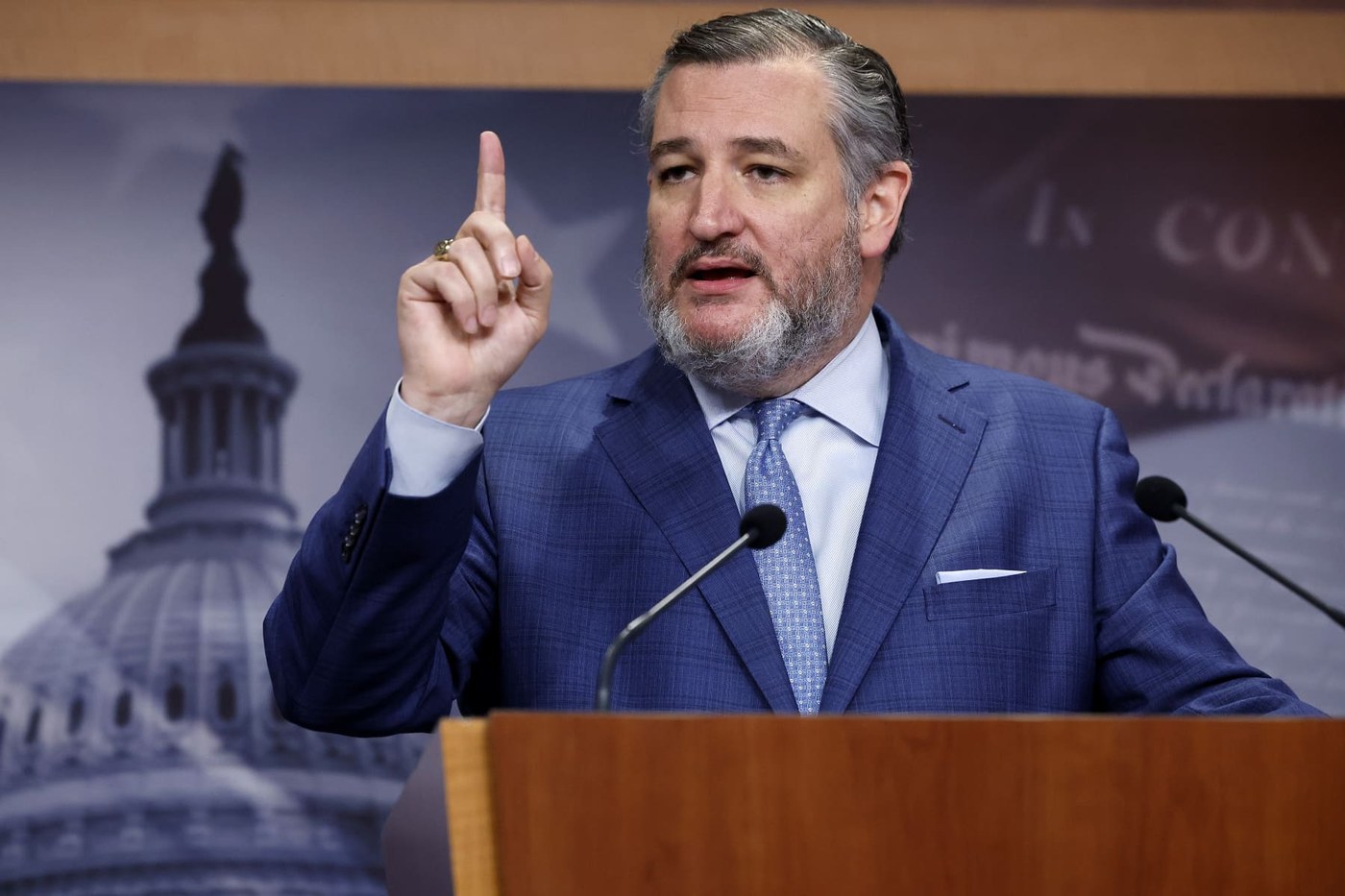
The Senate on Monday is slated to vote to create a national framework for name, image and likeness deals in college sports as one of its last acts before the chamber gears up to leave town later this week ahead of the 2026 midterm election.
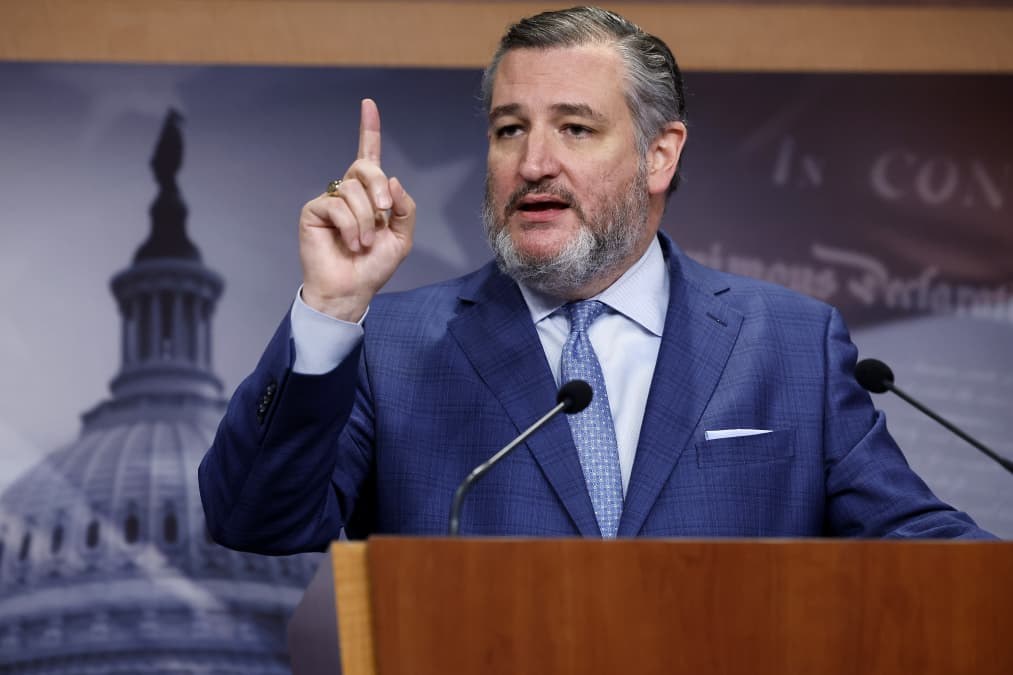
The legislation, which would codify athletes' rights to earn NIL money and grant the NCAA, conferences and schools a controversial antitrust exemption to enforce certain rules, is the latest step in a multi-year effort to regulate money in college sports.
Dubbed the Protect College Sports Act and co-led by Sens. Ted Cruz, R-Texas, and Maria Cantwell, D-Wash., the top Republican and Democrat on the Senate commerce committee, the legislation is expected to pass in the Senate. Its fate in the House remains uncertain, amid opposition from the Congressional Black Caucus and outside groups, including the NAACP.
"The NIL era is here. The Protect College Sports Act embraces this new reality by codifying and protecting the rights of student athletes to earn money from their name, image, and likeness, and establishing the rules necessary to end the chaos," Cruz said from the Senate floor last week.
The legislation would tighten transfer rules, allowing players to switch schools once without a penalty; cap eligibility at five years; and increase the revenue-sharing pool schools can use to pay athletes directly, including up to $5 million that could go to women's sports and Olympic sports, which tend to bring less revenue than men's football and basketball to schools.
Members of Congress have introduced a flurry of bills and held numerous hearings in the roughly five years since a series of legal rulings led the NCAA to suspend its longstanding prohibition on students being compensated and loosen its rules around transferring. The moves ushered in a new era of college sports in which top athletes — particularly in football and basketball — could switch schools freely and secure million-dollar NIL deals.
But these new rules came with downsides, as smaller schools, women and Olympic athletes, fans and coaches complained about power conferences consolidating power. Lawmakers have scrambled to respond, but earlier attempts repeatedly fell short.
Earlier, a similar bill, dubbed the SCORE Act, was pulled due to opposition from the Congressional Black Caucus.
The CBC, which has more than 50 members across the House and Senate, said it could not support legislation that would benefit "major athletic institutions that continue to remain silent while Black voting rights and Black political power are being systematically dismantled across the South." The statement came out in the immediate aftermath of a Supreme Court decision that hollowed out portions of the Voting Rights Act.
The CBC also opposes the Protect College Sports Act, and other detractors, including Sen. Chris Murphy, D-Conn., have argued it would give too much power to the NCAA and conferences at the expense of players.
"What this bill does at its core is to protect a system of exploitation. This bill protects the billions of dollars that coaches and sports industry executives are making over the suppression of compensation for some of the most highly valued athletes in the world," Murphy said earlier this month at a virtual press conference. "This bill seeks to give an unprecedented antitrust exemption to an industry that is violating the law every single day."