US Treasury yields surged to a fresh two‑decade high around 5.3%, reviving pressure on the Indian rupee and prompting a modest dip in the dollar index, which slipped 0.17% after weaker‑than‑expected core PCE data. At the same time, the Japanese yen rallied, briefly breaking below the 156.50 level as softer US inflation trimmed Fed hike odds by roughly a third. Federal Reserve officials remain split: Kashkari signalled one more hike, while New York Fed President John Williams warned markets should still price an additional increase before year‑end. The mixed messaging has forced global desks to re‑evaluate rate‑sensitivity across asset classes.
FX Reactions to Shifting Rate Expectations
Currency markets reflected the tug‑of‑war between lingering inflation concerns and emerging relief. The rupee weakened against the dollar as higher yields made dollar‑denominated assets more attractive, while the yen’s bounce highlighted its role as a safe‑haven when US rate‑growth appears to pause. The dollar index’s modest decline indicates that traders are not yet convinced the Fed will halt tightening, but the recent core PCE easing has introduced enough doubt to temper aggressive positioning. Cross‑currency spreads are widening, prompting desks to hedge exposure with longer‑dated forwards and options as the policy outlook remains fluid.
Fixed‑Income and Event‑Contract Landscape
Bond markets responded with a pronounced sell‑off, pushing long‑term Treasury yields higher and reviving memories of 2022’s volatile rate‑repricing cycle. The surge in yields has also drawn attention to the emerging classification battle over event contracts. The CFTC’s push to treat these contracts as swaps could bring them under federal jurisdiction, reshaping how prediction‑market venues clear and margin such products. For traders, the potential regulatory shift adds a layer of venue‑specific risk, prompting a reallocation toward more traditional swap structures while monitoring compliance costs.
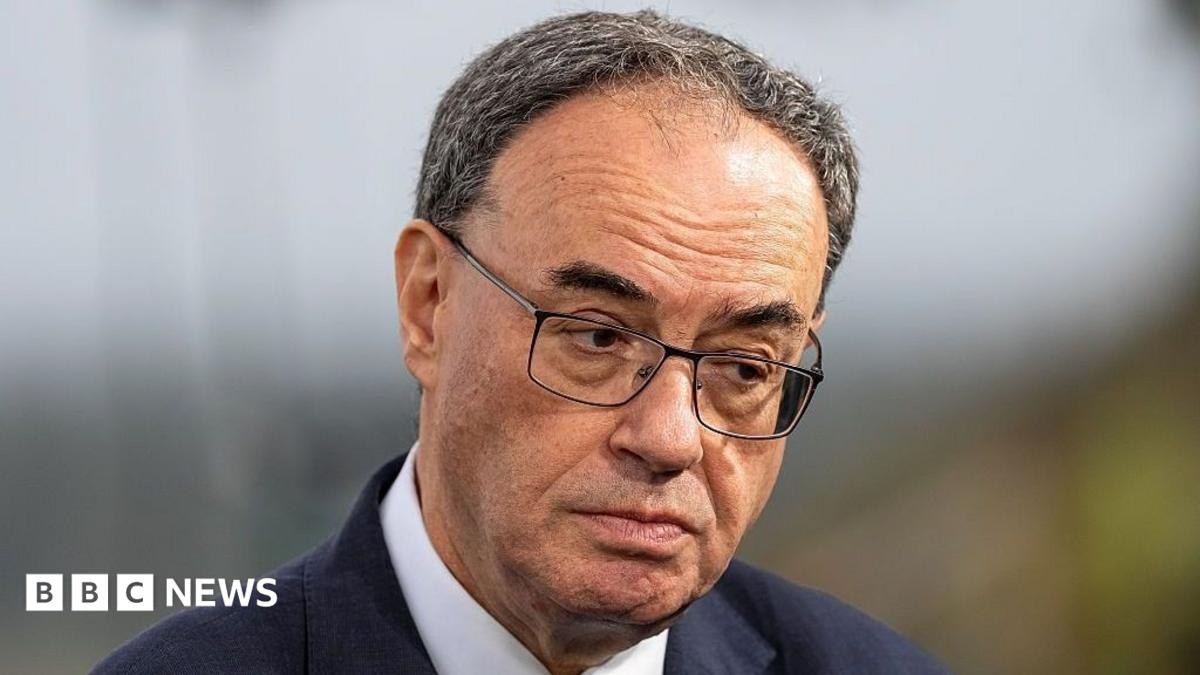
Beyond rates, the Bank of England’s governor warned that an accelerating AI boom could generate market‑shocking dynamics, urging participants to embed AI‑related stress scenarios into their risk models. The warning dovetails with the broader theme of non‑traditional risk sources influencing central‑bank outlooks, from technology‑driven volatility to infrastructure oversight, as highlighted by the Fed inspector‑general’s findings on renovation failures.
In response, global desks are tightening cross‑asset hedges, scaling back leveraged exposure in rate‑sensitive currencies, and diversifying into assets less correlated with the US yield curve. Monitoring central‑bank language, especially around AI risk and event‑contract regulation, has become a core component of positioning strategies as traders navigate an environment where policy signals and emerging market structures intersect.