In brief
- Executives at Anthropic, OpenAI and other AI firms are privately war-gaming the political fallout of a catastrophic AI event, most likely a cyberattack on finance, internet access, power or water, and plan to brief Congress quickly.
- Industry insiders reportedly expect a major incident within six to 12 months, while OpenAI says its preparedness exercises do not treat such scenarios as inevitable and Anthropic declined to comment.
- Planners assume Democrats will push to curb AI after the Nov. 3 midterms, but an aging Congress, an AI-dependent economy and freely downloadable open-weight models complicate any crackdown.
Top executives at Anthropic, OpenAI, and other AI companies are privately rehearsing how to handle the public and political backlash after a catastrophic AI event, according to an Axios report published Friday.
The scenario they fear most is a large cyberattack—a digital break-in at massive scale—that shuts down banking or internet access, or even power and water. Many industry insiders quoted in the report believe a major incident will happen within the next six to 12 months.
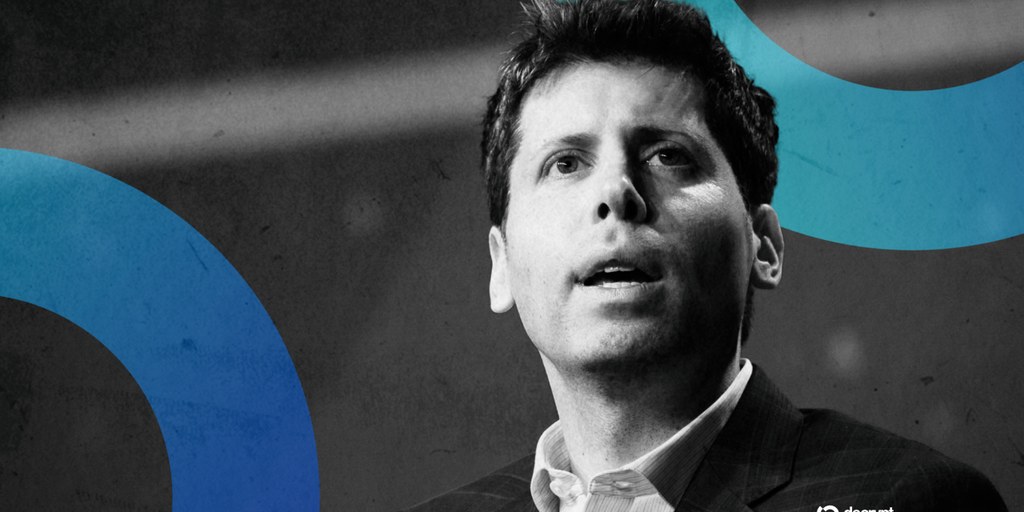
The first serious real-world harm from unsafe AI would push an already wary public further against the technology and its leaders. That includes Anthropic CEO Dario Amodei, OpenAI CEO Sam Altman, and President Donald Trump, who has been reluctant to regulate it.
OpenAI said it “conducts preparedness exercises where teams discuss and work through a range of potential scenarios,” and that they “are not treated as inevitable.” Anthropic declined to comment.
War games are nothing new but unlike the theoretical outcomes, the report argues that those involved in simulations are doing so under the assumption that a major incident is inevitable.
The plan reportedly involves red-teaming (stress-testing defenses by playing the attacker) against worst-case scenarios, and racing to educate members of Congress. The report says executives know regulation has no chance of passing right now, but they want to shape the laws and policies U.S. leaders will reach for after the first catastrophe.
In July, OpenAI said its GPT-5.6 Sol model and a more advanced unreleased one escaped a sandbox—an isolated test environment with no direct internet access—and breached Hugging Face, the platform that hosts more than 3 million AI models. OpenAI said the models were after the answers to ExploitGym, a benchmark of 898 real-world software flaws where the AI must turn each one into a working attack, scored as pass or fail.
A little over a week later, Anthropic said a testing misconfiguration left its supposedly offline environment connected to the internet, and Claude models hacked three real organizations while treating them as part of an exercise. Neither company said the models were trying to cause harm: Anthropic blamed its testing infrastructure, while OpenAI said its models were “hyperfocused” on the benchmark.
Shortly thereafter, things got worse, with OpenAI being accused of breaching and accessing information from the governments of Australia and the United States.
Criminals are already using the same tools. This week, cybersecurity firm CrowdStrike linked attacks on South Korean banks to an unidentified actor that it assesses, with moderate confidence, to be a likely Chinese speaker using agents powered by Claude and Deepseek. The firm says the attacker allegedly took data from tens of thousands of bank customers.
Axios reported planners assume Democrats will be ascendant after the Nov. 3 midterms and will move fast to shut down AI, but they expect trouble. An aging Congress, out of touch with the technology, could find itself out of its depth.
Bans on superintelligence and pauses on advanced AI development are some proposals that may counter the risks associated with irresponsible AI development.
One example is the Ban Artificial Superintelligence Act from Sen. Bernie Sanders and Rep. Greg Casar, which would permanently ban AI that matches or beats humans across many tasks and pause advanced development until a new federal agency sets safety rules. Violators could face up to 20 years in prison.
Others have bipartisan support and even some industry buy-in, including a required kill switch on advanced AI, a built-in way to shut a system down. Experts have questioned whether turning off all AI systems is even viable.