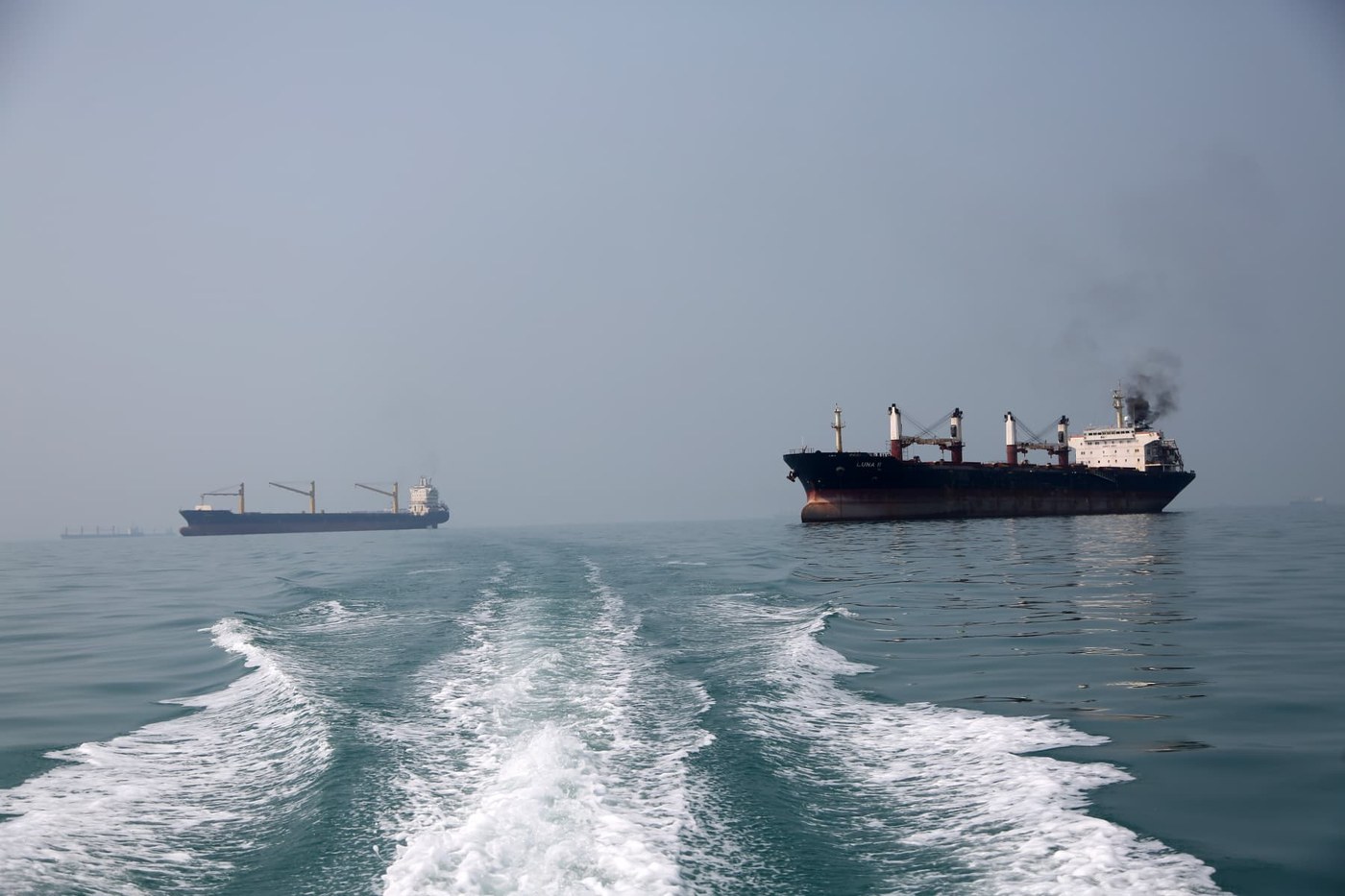
Oil prices climbed Wednesday as worries over Middle East supply disruptions keep the market on edge, with attacks on tankers near the Strait of Hormuz and Saudi energy facilities denting sentiment.
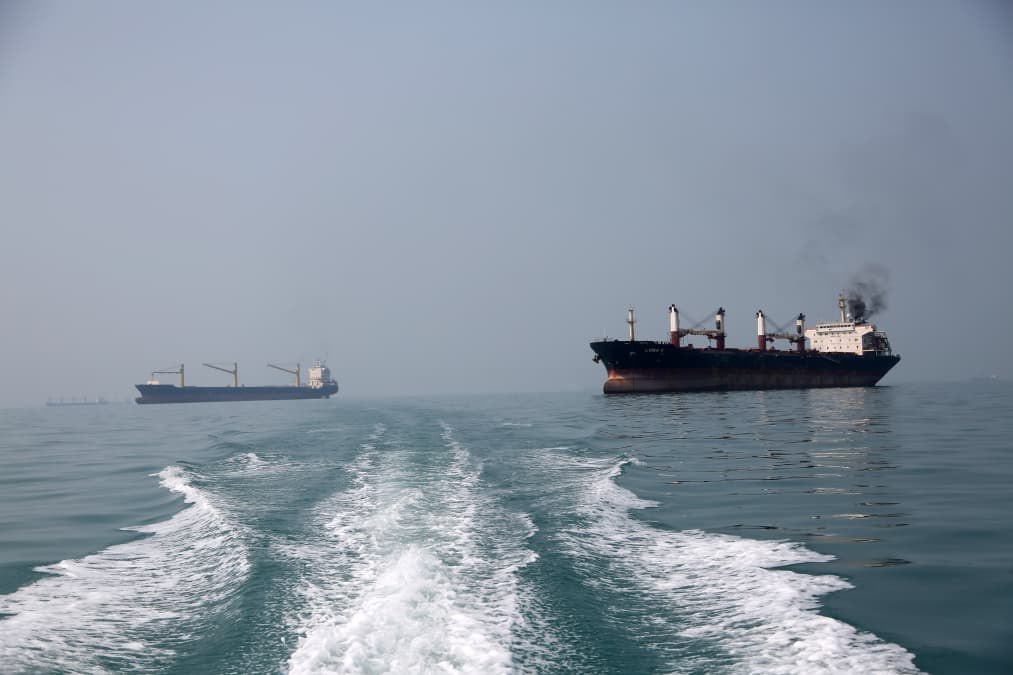
Brent crude futures gained 1.22% $110.13 a barrel, while U.S. West Texas Intermediate crude rose 1.11% to $98.92 a barrel.
Iran's Revolutionary Guards said Tuesday that naval mines had prevented three tankers attempting to pass through the Strait of Hormuz using routes Tehran deemed unauthorized.
"Two violating oil tankers were set ablaze and halted due to the explosion of mines planted by the brave sailors of the IRGC Navy at an illegal crossing point in the southern part of the Strait of Hormuz," IRGC said in a statement published on their official Sepah News website.
Adding to regional worries, Yemen's Houthi militants claimed responsibility on Monday for strikes targeting Saudi Aramco facilities in Yanbu, the Shaybah oilfield and airports in Riyadh and Abha.
The escalating tensions have also sent global oil shipping costs soaring, adding another layer of pressure to energy markets.
The global average crude freight rate has surged above $20 per barrel, compared with just $3 a year earlier, according to a Goldman Sachs report published Tuesday. While rates have eased slightly in recent days, they remain roughly seven times higher than a year ago.
Goldman estimated that war-risk premiums associated with crossing the Strait of Hormuz accounted for about $7 of the $20 year-on-year increase in average crude freight rates, while ship-to-ship transfers outside the Persian Gulf contributed another $4.
The investment bank warned that elevated shipping costs could widen price differences between crude grades, squeeze refiners' profit margins and ultimately push up refined fuel prices.
"High freight costs have weighed particularly heavily on Asian refineries' net margins, threatening their refined product output, which could then raise global refined product prices," Goldman Sachs analysts wrote.