The U.S. war with Iran cost the Pentagon an estimated $38.1 billion through Aug. 1 and could cost another $2 billion to $3 billion for each additional month of fighting, according to a report released Tuesday by the nonpartisan Congressional Budget Office.
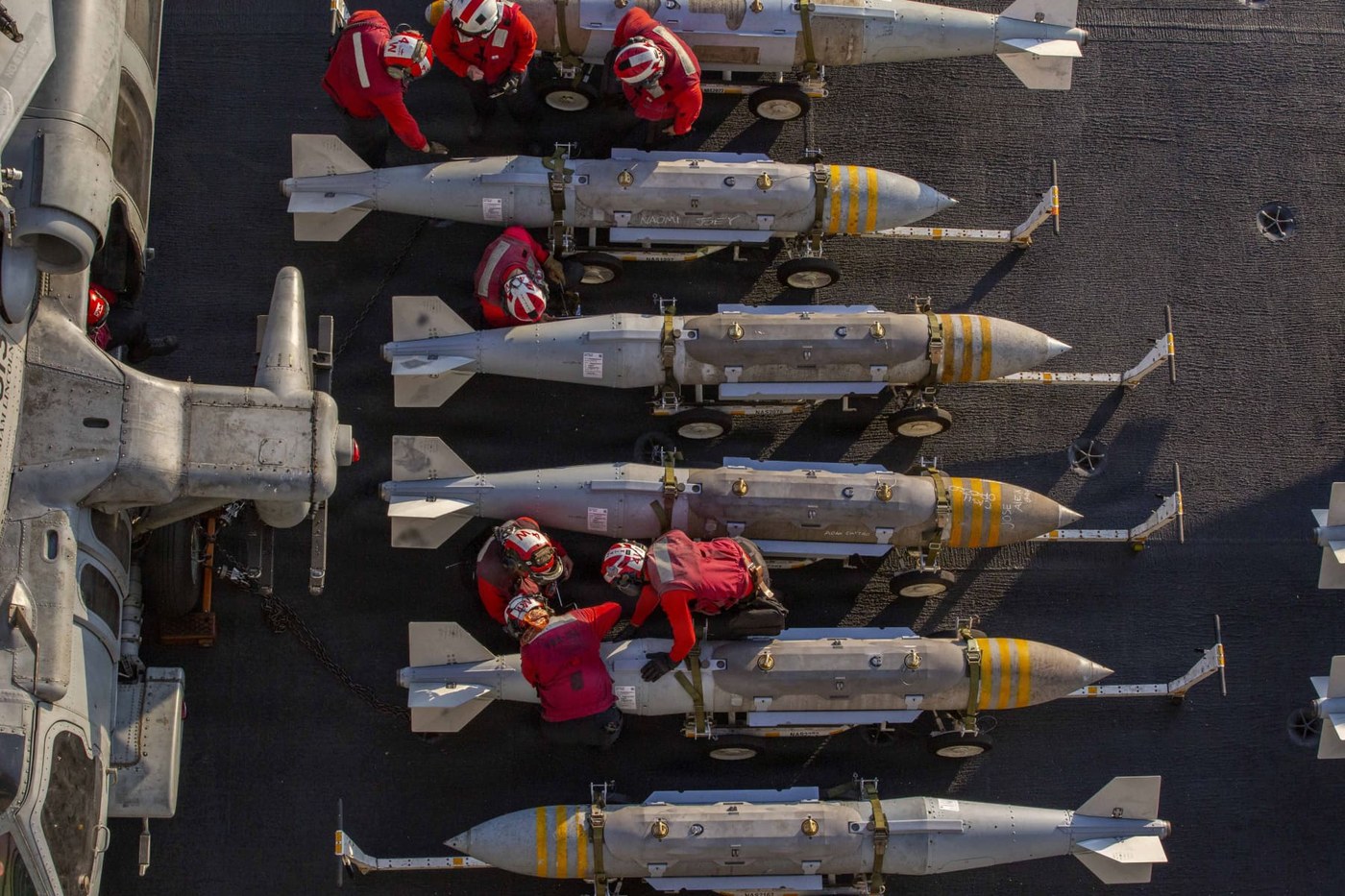
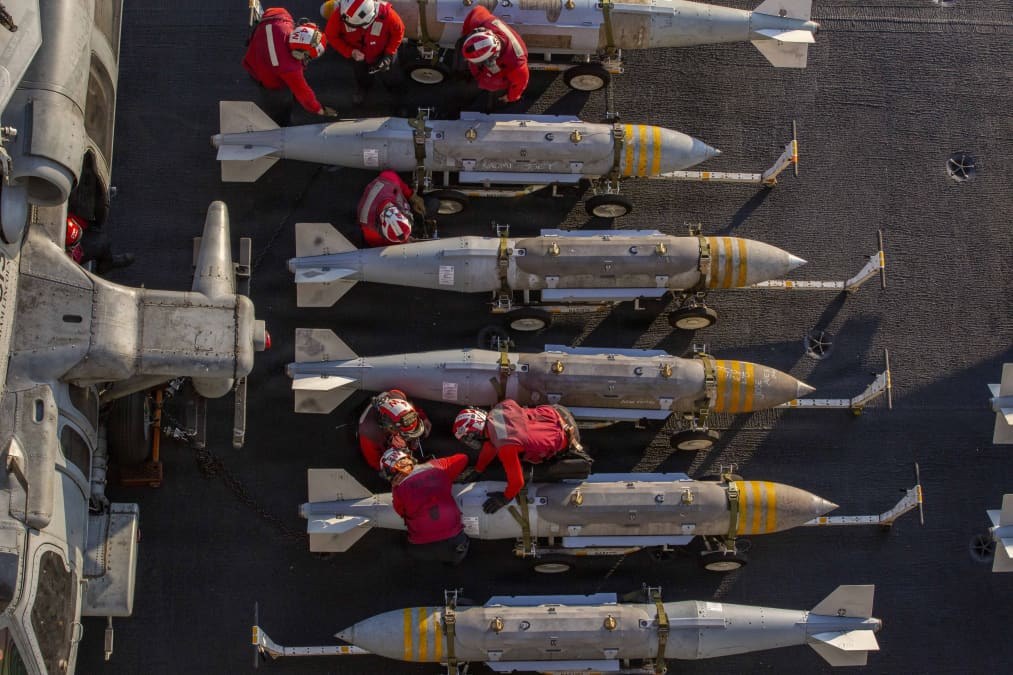
More than half of the cost came from replacing missiles and other munitions used during the conflict. Increased flying hours cost another $10.4 billion, while higher fuel prices added $2.7 billion, CBO estimated. The war has led fuel prices around the world to rise since President Donald Trump launched it Feb. 28.
The war has also consumed as much as two-thirds of the nation's missile-defense interceptors since June 2025, largely as result of the U.S. helping defend Israel against Iranian attacks, leaving the U.S. with reduced inventories for several years, CBO warned.
"Rebuilding DoD's inventory of interceptors would probably take at least five years — even if production was increased," CBO said in the report, which Rep. Brendan Boyle, D-Pa., requested. He is the top Democrat on the House Budget Committee.
The CBO estimates follow the first comprehensive accounting of the war's cost and military toll, released late Monday by the Defense Department's inspector general. The two accountings came to similar conclusions.
The release of the new calculations could fuel debate over whether the cost of the war, which Trump initially said would last only weeks, is worth it. Democrats are campaigning against the war ahead of the Nov. 3 U.S. election and pointing to higher costs for fuel, food and other things linked with the conflict, which Trump has framed as preventing Iran from developing nuclear weapons.
Risks of missile shortages
The shortage of missiles could become "especially problematic" in a conflict with an adversary possessing large numbers of ballistic and cruise missiles, CBO said, specifically citing China and a potential conflict over Taiwan.
The war has also raised consumer prices by reducing oil and natural gas shipments through the Strait of Hormuz and disrupting Red Sea shipping.
CBO estimated that by the first quarter of 2027, the war will have raised year-over-year inflation, as measured by the personal consumption expenditures price index — which is the Federal Reserve's preferred inflation measure — by 0.5 percentage points. Core PCE inflation is expected to be 0.3 points higher as energy costs ripple through supply chains, CBO said.
"The price of almost every product reflects shipping costs," CBO said.
By early 2027, gasoline and other fuels will account for about 40% of the war's effect on consumer prices, CBO said.
U.S. crude topped $106 Tuesday and Brent rose above $109 after Saudi Arabia reportedly canceled shipments following the closure of a major pipeline that bypasses the Strait of Hormuz. Meanwhile, regular gasoline averaged about $4.33 per gallon nationally, up almost 18 cents from a week earlier and $1.15 from a year ago, according to AAA.
CBO and Pentagon calculate war's costs
The Pentagon estimated that the war had cost $33.4 billion as of June 29: $7.4 billion in incremental operating costs, $22.3 billion to replace expended munitions and $3.7 billion in equipment losses.
The pace of weapons use created "strategic inventory shortfalls," the Defense Department watchdog said. Shortages of solid rocket motors, explosives, propellants and skilled workers have complicated efforts to replenish U.S. stockpiles.
Iranian strikes also damaged or destroyed "hundreds of buildings and structures" at bases across eight Middle Eastern countries, according to Monday's DOD IG report. Dozens of aircraft were damaged or destroyed, including four F-15E fighter jets, an F-35A, seven KC-135 refueling aircraft, seven helicopters and more than 30 drones.
The F-35A costs as much as $92 million per plane, while the F-15E, which is no longer produced, cost $31.1 million in 1998, according to the U.S. Air Force.
The Pentagon report noted State Department costs of $79.2 million for evacuations and other contingencies for people from the region when the war ban. And it calculated $184 million in diplomatic site damage across Iraq, Kuwait, Saudi Arabia, and the United Arab Emirates. The Defense Department did not provide estimates for rebuilding plans and funding sources for damaged military bases.