The FIFA men's World Cup U.S. television rights are formally up for auction.
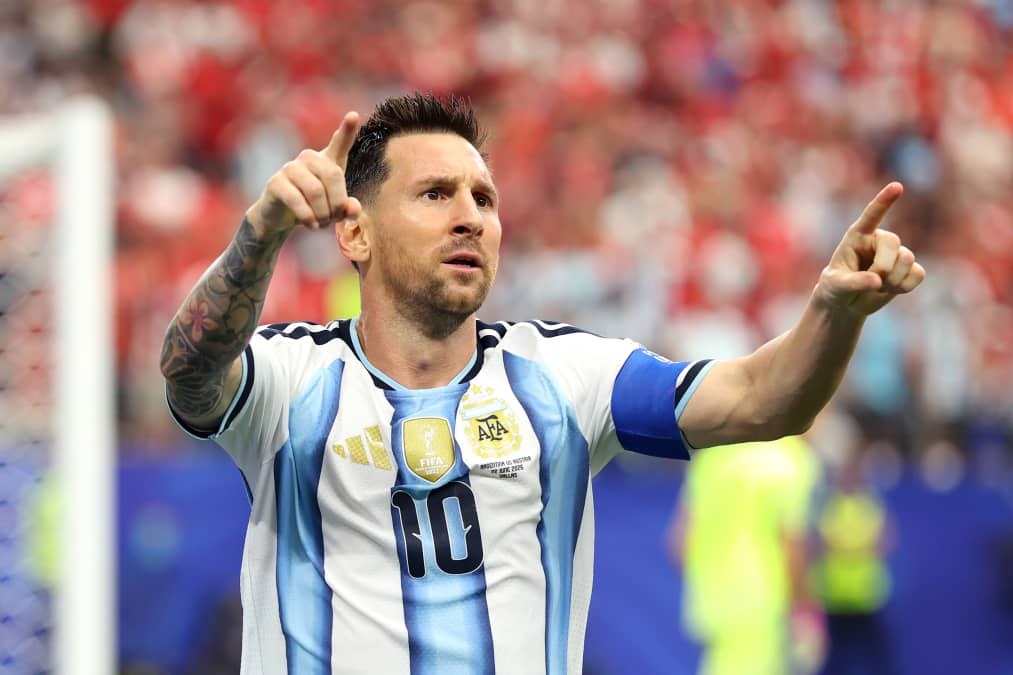
FIFA is launching its tender offer Thursday for the 2030 U.S. media rights with an option for potential partners to also buy rights for the 2034 World Cup. FIFA wants bids in by Nov. 19.
YouTube, Netflix, Amazon and Disney are all interested, CNBC reported in July. Rights could sell for between $1.5 billion and $2 billion, some media executives predicted at the time. FIFA hasn't sold U.S. men's World Cup TV rights since 2011.
Fox paid $425 million for the 2026 World Cup, which broke U.S. ratings records. Matches averaged 13.5 million viewers — up 166% from 2022.
The 2030 World Cup will take place in Spain, Portugal and Morocco.
FIFA would prefer to sell the English and the Spanish-language rights packaged together to one media partner – a departure from previous deals. For this past World Cup, NBCUniversal's Telemundo owned the Spanish rights while Fox owned the English rights. That led to some tension between the broadcasters and FIFA, as Peacock carried the Spanish-language rights for a less expensive price than Fox One, which streamed the games with English announcers.
FIFA Chief Business Officer Romy Gai said it's too early to gauge what price is realistic for the 2030 World Cup. FIFA is willing to listen to offers where just one media company buys the entire package or a joint offering – potentially between a streamer and a traditional broadcaster.
"We want to be flexible," said Gai in an interview. "We expect a big number of participants, both from the linear side and from the streamer side, but we want to listen to what is relevant for them, and then we can build up the best case together."
While the 2026 World Cup took place in the U.S., Canada and Mexico — allowing matches to be played during U.S. afternoons and nights — the 2030 World Cup will have a significant time difference. The 2034 World Cup will be played in Saudi Arabia. Riyadh is seven hours ahead of New York.
The time zones may make it difficult for games to be played during U.S. primetime hours. That will play a role in how much media companies are willing to spend on both tournaments, but Gai doesn't expect the time zone challenges to play too much of a role in the bidding.
"I'm sure that we will have every day matches that will be available in the right time zone for the U.S.," Gai said. "We expect it to have an impact [on the bidding], but not as big as you think."
If a streaming service wins the rights, FIFA will ensure that a certain number of matches are available for free, either by forcing the streamer to sublicense certain rights or by putting some games on a free version of the service, if such a thing exists.
Netflix has already acquired the 2030 World Cup rights in Spain. That deal allows a free-to-air broadcaster to show at least one game each day.
After Nov. 19, when bids are due, a contingent from FIFA will come to the U.S. around Thanksgiving and begin speaking with media companies in person, Gai said. At that point, FIFA could narrow down the field and ask for one more final bid – or it could just choose a winner.
FIFA intends to select its next media partner before the end of the year, said Gai.