Investors finally got to see the fuel bill for Delta Air Lines' (DAL) second quarter as the war in Iran sent energy prices soaring: The company disclosed Friday morning that it spent more than $4 billion on fuel in the second quarter.
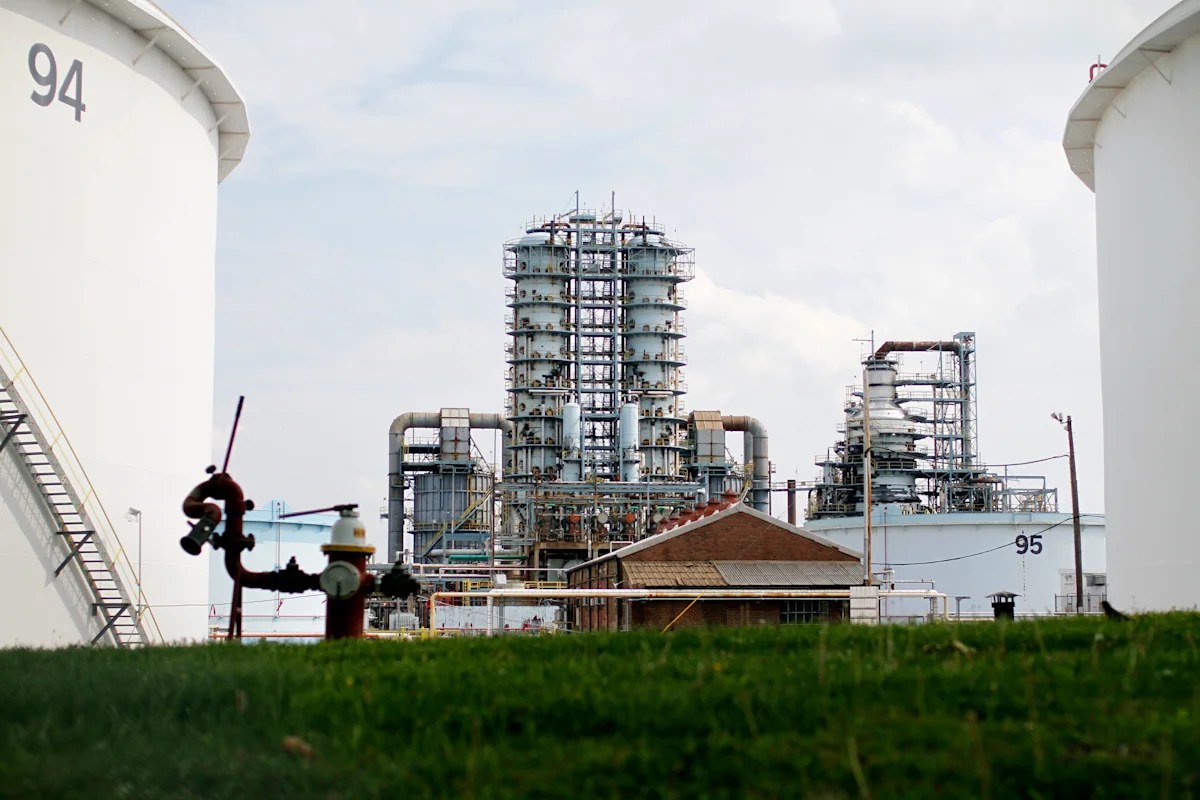
One lesser-known side of Delta's business helped the airline recoup some of those costs, however. Performance at the company's oil refinery in Pennsylvania surged 83% to bring its year-to-date revenue to $2.09 billion, the company reported Friday morning, essentially offsetting $0.11 per gallon of the cost of jet fuel.
As the war in Iran and subsequent shuttering of the Strait of Hormuz sent oil prices racing upward, refined products such as diesel, gasoline, and jet fuel saw even larger increases.
Jet fuel is typically one of the largest operating expenses for airlines, and the recent rally in crude prices has driven up costs. US Gulf Coast jet fuel swaps, a commonly watched proxy for jet fuel prices, remain roughly 60% above where they started the year.
Read more: 5 ways higher oil prices could impact your wallet
Delta recognized a $2 billion increase in fuel expenses for the quarter compared to the same period a year ago. When American Airlines (AAL) reports earnings on July 23, investors will be watching to see whether management's April prediction of an extra $4 billion in fuel costs for the year is shaping up.
Higher fuel bills can quickly squeeze profitability, particularly for airlines with limited hedging or that operate in highly competitive markets where ticket prices are harder to raise.
Yet Delta has something other major US airlines don't: a wholly owned refinery.
When Delta first invested in a refinery, it seemed unusual at the time. But the move has paid off for the airline as geopolitical uncertainty has rocked energy markets.
The leading US airlines used to aggressively hedge their fuel prices with futures contracts, hoping to lock in future supply at prices cheaper than market value. Following the global financial meltdown in 2008 and the oil price crash of 2014-2015, the US airline industry largely moved away from the practice. While the move steadied their quarterly numbers, it reduced their protection against events like the war in Iran.
In 2012, however, Delta bucked that trend and bought an oil refinery in Trainer, Pa., from ConocoPhillips (COP). The refinery, which turns crude oil into gasoline, diesel, jet fuel, and other derivative products, has allowed Delta to essentially hedge against oil price spikes.
Delta uses some of the fuel it produces in its refinery subsidiary, primarily in its East Coast operations, and sells the rest to the market to capture upside. According to Delta, the company's refinery provides the airline with 200,000 barrels per day of jet fuel through in-house production or jet fuel swaps, or approximately 75% of its consumption.