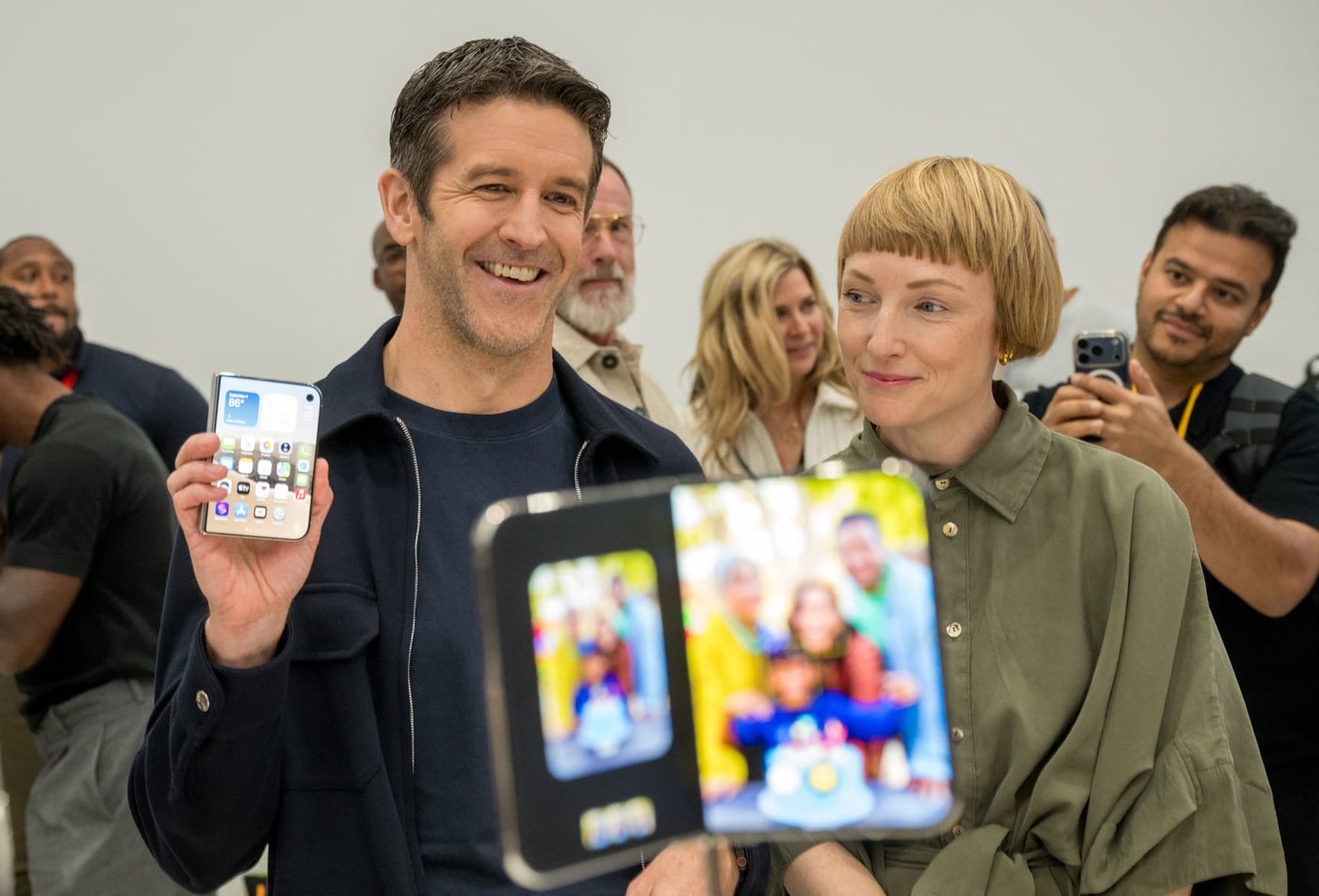
Apple's iPhone Duo, its most expensive iPhone ever, went up for preorder Friday, with launch-day pickup inventory selling out and some online delivery estimates already slipping into late January.
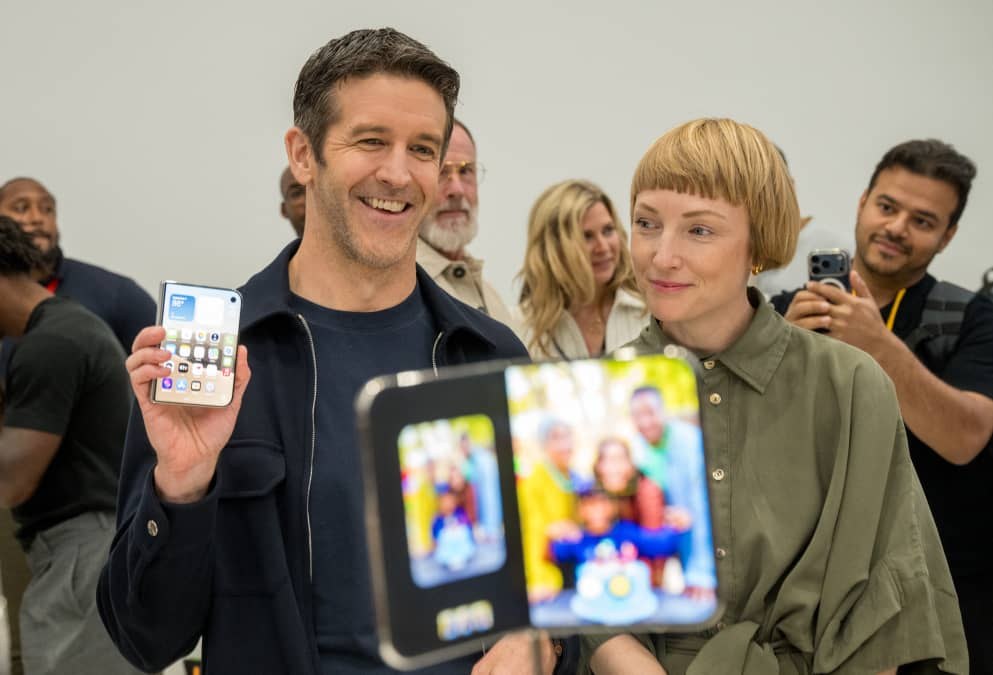
The company said in a statement that the preorder demand was "nothing short of extraordinary."
"We are working hard to get this revolutionary new product into customers' hands as quickly as possible, and we will continue accepting orders online," Apple said.
Apple's first foldable phone starts at $1,999 and passes $3,000 at the 2TB storage tier. It is the biggest change to the physical design of the iPhone in years and establishes an entirely new price point above the Pro and Pro Max.
The early rush offers a first glimpse at the demand behind Apple's bet: Whether a dramatic new design can persuade customers to spend more and push the iPhone even further as a status symbol.
But analysts who spoke with CNBC said Apple's bet is not that foldables suddenly become a mass-market product. It is that a relatively small group of its highest-spending customers can become significantly more valuable.
Foldables are expected to make up just over 2% of global smartphone units this year but nearly 7% of industry revenue, according to IDC. By 2030, IDC expects the category to account for 10% of smartphone revenue while still representing only about 3% of units.
That gap between volume and value is central to Apple's opportunity.
"Duo is fast becoming an aspirational foldable," IDC's Nabila Popal told CNBC, comparing its appeal with Apple's broader position as an aspirational smartphone brand.
Popal, global senior research director for the Consumer Device Team at IDC, said the technology itself is not necessarily the breakthrough. Foldable Android phones have existed for years. What's new is Apple bringing that form factor to the enormous base of consumers already invested in the iPhone ecosystem.
Apple itself has been exploring the form factor for more than a decade. In 2011, Ternus and five other Apple engineers filed a patent application for foldable electronic devices, according to a recent Time profile.
"It's not that it's a breakthrough or new technology, but it's from Apple," Popal said.
The Duo could also prove more accessible than some industry watchers had anticipated.
Anshel Sag, an analyst at Moor Insights who attended Apple's launch event, said many expected the foldable iPhone to start between $2,400 and $2,500.
Apple coming in at $1,999, Sag said, suggests the company "wants a lot of share."
Sag expects the Duo to become "very much a status symbol" during the holiday season and potentially into next year.
That status appeal could be reinforced by scarcity.
Counterpoint Research Director Tarun Pathak told CNBC the firm expects initial demand to exceed supply.
Apple has an installed base of roughly 1.4 billion iPhones, he noted, meaning even a small percentage of early adopters could overwhelm the roughly 6 million or fewer units Counterpoint expects to be available in the near term.
IDC also expects supply to be constrained initially because of the complexity of the device and Apple's manufacturing and quality standards.
"Exclusivity is part of the current appeal," Popal said.
And Apple has made explicit luxury plays before.
When the first Apple Watch launched, the company offered the 18-karat gold Edition starting at $10,000. Apple also formed a long-running partnership with Hermès around premium watch bands and designs.
That push came during the tenure of Angela Ahrendts, the former Burberry CEO who joined Apple in 2014 to lead retail and online stores, as the company experimented with bringing more of the language and presentation of luxury fashion into its stores and products.
The Duo takes that idea into Apple's largest product business.
Low volume, high value
IDC expects Apple to ship roughly 7 million units this year, or roughly 3% of Apple's total shipments in 2026.
Popal, the IDC analyst, forecasts Duo shipments could grow another 70% next year. That would give Apple roughly 40% of the global foldable market and would make it the category's largest player, surpassing Samsung and Huawei.
According to her forecast, Apple could ship as many Duos in the next six months as the previous category leaders did in all of 2025.
But the more important number for Apple may not be units.
A large share of Duo customers are expected to be existing iPhone owners, analysts said, including consumers who otherwise might have purchased a Pro Max and are now trading up to a device costing hundreds of dollars more.
Others could add the Duo as a second smartphone, with Apple's ecosystem allowing users to move relatively seamlessly between it and their primary iPhone.
Popal said that migration from roughly $1,200 premium iPhones to a device starting at nearly $2,000 should provide a "healthy boost" to Apple's revenue even if overall volumes remain relatively small.
The bank expects the Duo to have a disproportionate impact on iPhone revenue because of its much higher average selling price, even as overall iPhone shipments are expected to remain roughly flat next year.
JPMorgan said the iPhone 18 cycle is increasingly likely to be driven by price and product mix rather than unit growth.
D.A. Davidson analyst Gil Luria said Apple needs the Duo to succeed as it comes up against a difficult set of earnings comps with its strongest upgrade cycle in years.
"Without an uplift from Duo, they may experience some pretty pedestrian revenue growth," Luria told CNBC.
The device gives Apple several ways to generate that uplift, he added.
It raises the company's average selling price by capturing die-hard Apple customers who might otherwise have bought a Pro Max. It could bring in some consumers who previously bought folding Android phones because Apple did not offer one. And it could create a halo around the rest of the iPhone lineup.
Luria said some consumers will visit Apple stores specifically to see the Duo, "but probably walk out with an iPhone or iPhone Pro at half the price."
That means the Duo can potentially help Apple even when someone decides not to buy it.
Lead times for the iPhone 18 Pro have softened in several markets compared with the prior cycle, while the more expensive Pro Max has held up better, according to JPMorgan's tracking.
Morgan Stanley has separately said its supply-chain checks are consistent with unusually early component order reductions for the Pro and Pro Max, though the firm has not yet seen evidence that those adjustments have translated into cuts to finished iPhone production.
That puts more pressure on the Duo to pull buyers toward the very top of Apple's lineup.
Pushing the iPhone upmarket
Apple's move toward a more expensive iPhone comes as the economics of the broader smartphone market become increasingly difficult.
Consumers are already holding on to phones for longer, and global smartphone growth is slowing.
Wayne Lam, an analyst at TechInsights, said moving the iPhone further upmarket gives Apple another way to protect the revenue generated by its most important product.
"Given that the iPhone is almost 20 years old, there really isn't anywhere else to head to, given Apple's market position," Lam told CNBC.
With smartphone sales expected to slow, he said, "moving upmarket allows Apple to maintain the all-important iPhone revenues they report every quarter."
Lam described the Duo as an aspirational or luxury product rather than something designed for the average consumer.
But unlike Apple's Vision products, he believes the foldable phone has a path toward becoming a larger category over time, particularly as artificial intelligence changes how consumers interact with their devices.
The trade-off is that pushing prices higher could also make consumers wait longer to upgrade.
Higher iPhone prices could stretch already-long upgrade cycles even further, Lam said, creating what he described as a potential negative feedback loop: devices become more expensive, consumers hold on to them longer and overall demand falls.
Still, Lam expects demand for the Duo to be high relative to its initially limited supply and said the device could "set the bar for premium iPhones moving forward."
WATCH: Apple's iPhone 18 Pro demand in question: Here's what you need to know